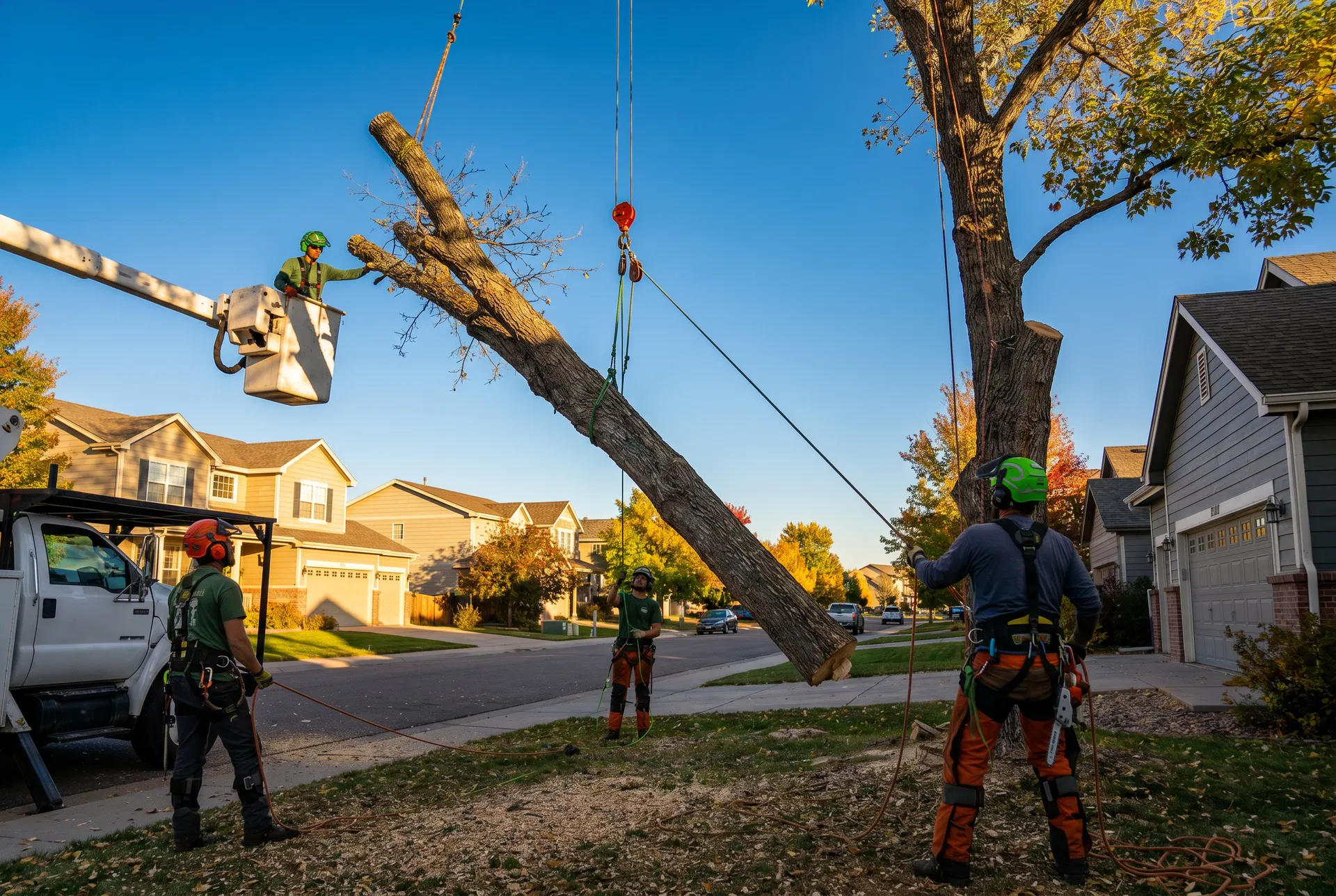
The Waldo Canyon Fire of 2012 destroyed 346 homes in Colorado Springs. The Black Forest Fire of 2013 destroyed 509 homes — the most destructive wildfire in Colorado history at the time. These weren't distant disasters. They happened in our neighborhoods, to our neighbors.
Fire mitigation — the process of reducing the fuel available to a wildfire around your home — is one of the most important investments a Colorado Springs homeowner can make. This guide covers everything you need to know.
What Is Defensible Space?
Defensible space is the buffer zone between your home and the surrounding vegetation. It serves two purposes: it reduces the likelihood of fire reaching your home's structure, and it gives firefighters a safe area to defend your home if needed.
Colorado law (C.R.S. 38-45-101) requires homeowners in wildland-urban interface areas to maintain defensible space. The Colorado State Forest Service (CSFS) provides guidelines that divide defensible space into two zones.
Zone 1: 0 to 30 Feet from Your Home
Zone 1 is the most critical area and requires the most intensive management. Requirements include:
- ✓Remove all dead plants, grass, and weeds
- ✓Keep grass mowed to 4 inches or less
- ✓Remove all dead branches that hang over your roof
- ✓Keep trees pruned so the lowest branches are 6-10 feet from the ground
- ✓Remove any tree branches within 10 feet of your chimney
- ✓Space trees so crowns are at least 10 feet apart
- ✓Remove all ladder fuels — vegetation that allows fire to climb from ground to canopy
- ✓Clear all debris from roof, gutters, and decks
Zone 2: 30 to 100 Feet from Your Home
Zone 2 focuses on reducing fuel density while maintaining some vegetation for erosion control. Requirements include:
- ✓Remove dead plants and debris
- ✓Space trees so crowns are 10-30 feet apart (depending on slope)
- ✓Prune trees to remove lower branches up to 6-10 feet
- ✓Remove ladder fuels between trees
- ✓Maintain grass at 4 inches or less
Note: Spacing requirements increase on steeper slopes. On a 40%+ slope, crown spacing in Zone 2 should be 30+ feet.
Fire Mitigation & Your Insurance
Many homeowner's insurance companies have begun requiring documented fire mitigation work as a condition of coverage in high-risk areas. Some companies offer significant discounts for documented mitigation work.
Josse Adame at Gems Tree Services is knowledgeable in Colorado fire mitigation insurance standards. We can help you understand what your insurance company requires and provide documentation of work completed that you can submit to your insurer.
If you've received a notice from your insurance company about fire mitigation requirements, call us. We'll help you understand what needs to be done and get it done efficiently.
How Often Does Fire Mitigation Need to Be Done?
Fire mitigation is not a one-time project. Vegetation grows back, dead wood accumulates, and conditions change. Most properties benefit from annual or biennial fire mitigation maintenance, particularly before fire season (spring through fall).
We recommend scheduling a fire mitigation assessment every 1-2 years. During our free assessment, we'll walk your property, identify what needs to be done, and provide a transparent quote.
🔥 Get Your Free Fire Risk Assessment
Don't wait until fire season. Call Gems Tree Services for a free fire risk assessment and defensible space evaluation.
Call (719) 421-072820+ years of tree service experience in Colorado Springs. Founder of Gems Tree Services.