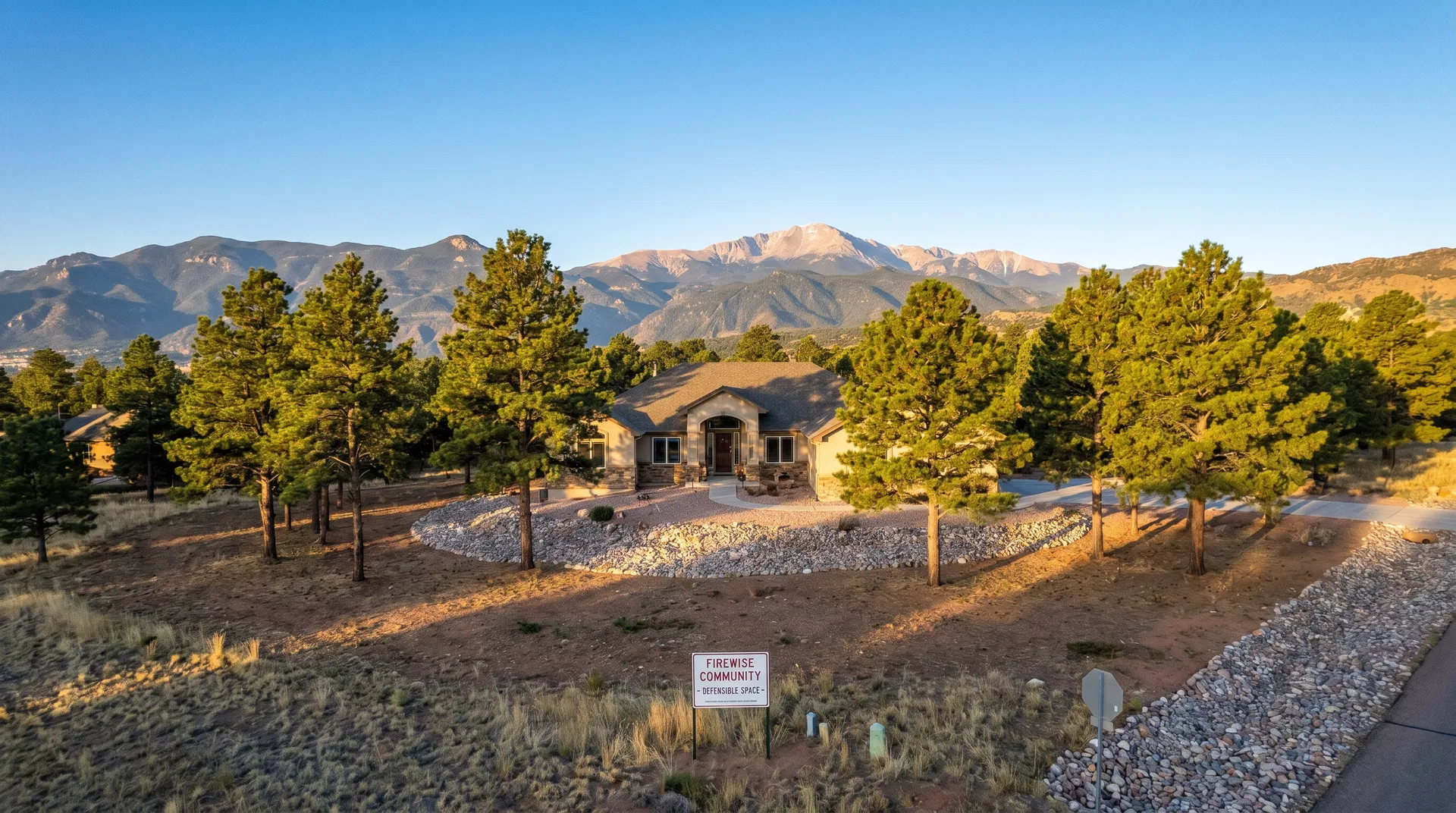
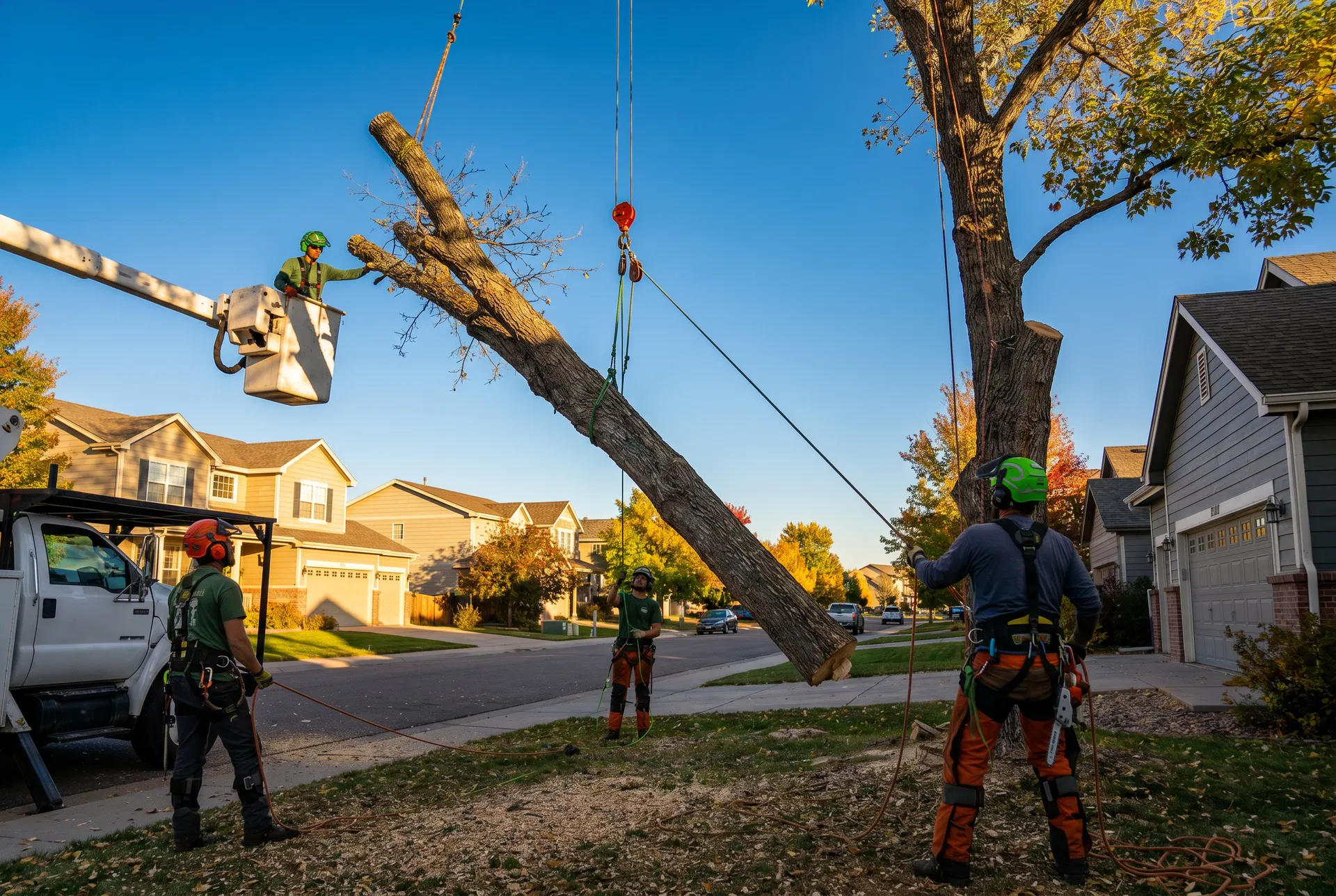
Colorado Springs sits at 6,035 feet elevation with a semi-arid climate, dramatic temperature swings, and a unique mix of tree species that don't exist at lower elevations. This means the standard tree trimming advice you'll find online — written for the Midwest or Pacific Northwest — often doesn't apply here.
After 20 years of trimming trees in the Pikes Peak region, here's what we've learned about timing tree work for every common species in our area.
The General Rule: Dormant Season Is Best
For most deciduous trees (trees that lose their leaves), the dormant season — late fall through early spring — is the ideal time for trimming. During dormancy, trees are not actively growing, which means:
- →Less stress on the tree from pruning wounds
- →Lower risk of disease transmission (many pathogens are less active in cold weather)
- →Easier to see the tree's structure without leaves
- →Faster wound closure when growth resumes in spring
In Colorado Springs, dormant season typically runs from late October through early March, though this varies by elevation and year.
Species-Specific Timing Guide
| Tree Species | Best Time | Avoid |
|---|---|---|
| Ponderosa Pine | Late winter (Feb–Mar) | Summer (beetle risk) |
| Blue Spruce | Late winter or early spring | Active growth in spring |
| Aspen | Late summer or fall | Spring (disease risk) |
| Cottonwood | Late fall through winter | Spring/summer (active growth) |
| Ash | Late fall through winter | Spring (emerald ash borer risk) |
| Elm | Late fall through winter | Spring/summer (Dutch elm disease) |
| Oak | Late fall through winter | Spring/summer (oak wilt risk) |
| Ornamental Fruit Trees | Late winter before bud break | Summer |
Ponderosa Pine: Colorado's Most Common Tree
Ponderosa Pines are everywhere in Colorado Springs, and they have specific trimming requirements. The biggest concern is the mountain pine beetle — a bark beetle that attacks stressed Ponderosa Pines. Fresh pruning wounds emit sap that can attract beetles, particularly during the warm months when beetles are active (May through August).
For this reason, we recommend trimming Ponderosa Pines in late winter (February–March) before beetle season begins. If a pine has dead or hazardous branches, those should be removed any time of year — the risk of leaving a hazard outweighs the beetle risk.
Aspen Trees: The Exception to the Rule
Aspen trees are a notable exception to the "dormant season is best" rule. Aspens are highly susceptible to Cytospora canker, a fungal disease that enters through pruning wounds. This disease is most active in spring when spores are released.
We recommend trimming Aspen trees in late summer (August) or early fall (September) when the disease risk is lowest and wounds can begin healing before winter. Avoid trimming Aspens in spring or early summer.
Dead or Hazardous Branches: Trim Any Time
One important caveat to all of the above: dead, diseased, or structurally hazardous branches should be removed any time of year, regardless of species or season. The risk of leaving a hazardous branch — particularly over your home, vehicle, or areas where people walk — always outweighs the risk of off-season trimming.
If you're unsure whether a branch is hazardous, call us for a free assessment. We'll give you an honest opinion.
Ready to Schedule Your Tree Trimming?
Call Gems Tree Services for a free estimate. We'll assess your trees and recommend the right timing and approach for your specific species and situation.
Call (719) 421-072820+ years of tree service experience in Colorado Springs. Founder of Gems Tree Services.